Norfolk Broads in Winter: A Seasonal Wetland Itinerary for Nature Lovers

Winter is when the Broads stops being a boating story and becomes a birdwatching one. Hire cruisers are laid up, the reedbeds have gone the colour of straw, and the shallow broads fill with ducks, swans and geese that have drifted in to sit out the cold. The days are short, but that sharpens the planning: choose two or three places, walk them properly, and be in position for the last hour of light, when the raptors move.
Why the Broads suits the season
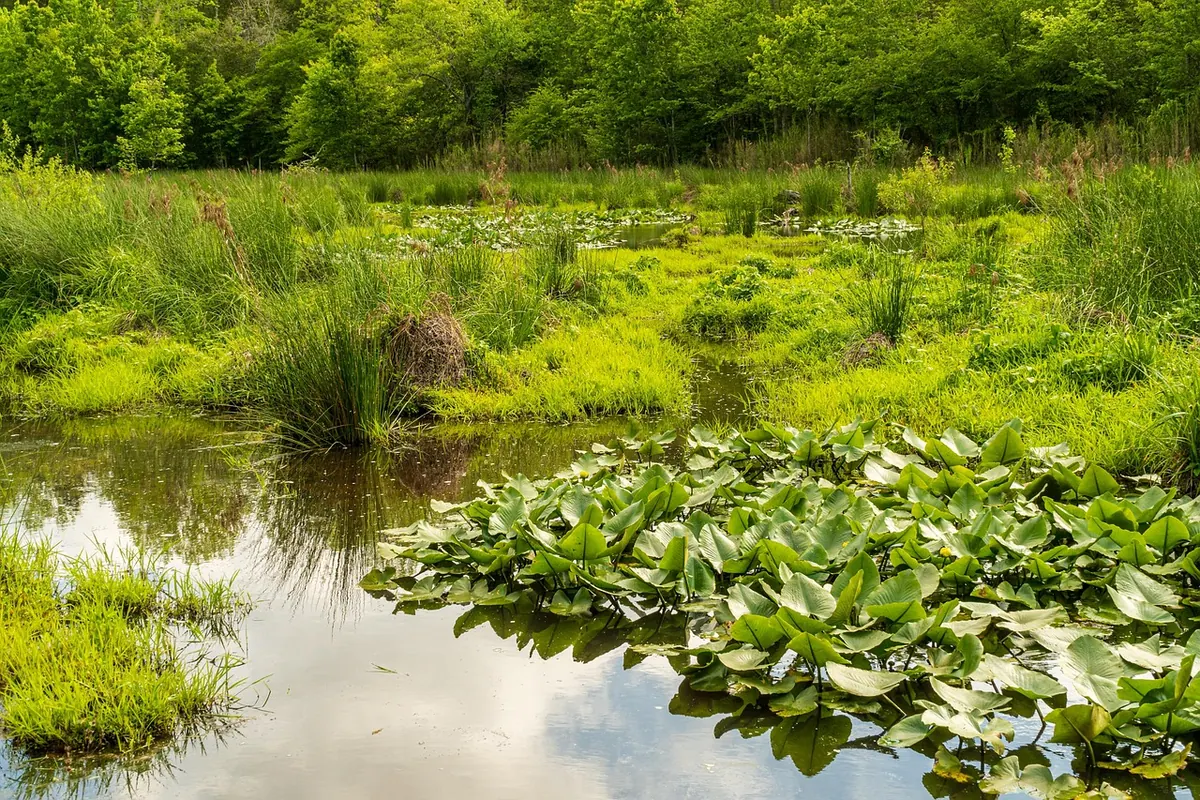
The Broads is a mosaic — open broads, shallow dykes, wet grazing marsh, fen, carr woodland and enormous reedbeds — and every part of that mix does a different job in winter. Open water holds diving ducks and rafts of wigeon and teal. Wet grassland, especially where grazing has been kept up, pulls in geese and swans from the coast. Reedbeds shelter bitterns, water rails and bearded tits, which are easier to hear than to see at any time of year and slightly easier to pin down once the reeds have died back.
Two things shape a winter visit more than anything else: daylight and wind. You have roughly eight hours of usable light in midwinter, and an exposed marsh in a north-easterly is far colder than the temperature suggests. Shelter — a hide, a wood, a reedbed edge — is worth walking an extra ten minutes for.
Start on the northern rivers
The Bure, Ant and Thurne give you the easiest introduction, with a string of accessible sites close together. Wroxham and Hoveton are the gateway: park, then walk the riverside path along the Bure, where you can pick up kingfisher, grey wagtail and the first of many tufted ducks without leaving the village. If you want a longer leg-stretch, the Bure Valley Path follows the old railway line inland.
From there, Salhouse Broad is a short hop and pleasingly empty in winter — a good place to scan for goldeneye and, if the weather has been hard, goosander. Ranworth Broad is the classic stop: a walk from the village down to the staithe, a broad that often holds large rafts of wildfowl, and the church tower at Ranworth, when it is open, giving you a view over the whole watery parish. Look for the line of the dykes picked out by alder and willow scrub.
Further east, the quieter reaches around Martham, Horsey and Hickling feel more remote and reward it. Give yourself time to stand and scan rather than ticking off car parks.
Hides worth the walk
The Broads has a good spread of hides, and most are open through winter. A few worth building a day around:
Strumpshaw Fen
The RSPB reserve on the Yare has hides looking over reedbed, fen and open water. In winter the reedbeds are alive with bearded tits and Cetti's warblers calling from the scrub, and marsh harriers quarter the fen through the day. The fen hides fill fast on a bright weekend morning — arrive early or come mid-afternoon.
Hickling Broad
The largest of the broads, and the best for a winter sky. The reedbed edges here are prime bittern country, and the tower and viewpoints give you a wide sweep over the water. Bring a scope if you have one; the birds are often distant.
Buckenham Marshes and the Yare valley
Wet grassland, big skies and geese. This is where to go if you want to see wintering wildfowl and swans out on open fields rather than on water, often with a peregrine or merlin working the edges.
Getting on the water
Most day-boat hire yards are closed or running reduced hours between November and March, so don't assume you can turn up and take a cruiser out. Where boats are available they are usually guided: a skipper, a set route, a set time. That is no bad thing in winter — the person steering knows where the birds are sitting, and you get to keep your binoculars up instead of your eyes on the channel.
Two car-free options are worth knowing about. The Wherry Lines railway runs along the Yare between Norwich, Reedham and Great Yarmouth, with a request stop at Berney Arms — step off and you are straight into the marshes above Breydon Water. And the Broads Authority and local wildlife trusts run winter walks and boat trips through the season; booking ahead is sensible.
Kayaking and canoeing are possible on the quieter rivers, but treat it as a serious cold-weather activity: the water is close to freezing, banks are slippery and daylight is short. Wear a buoyancy aid, tell someone your route and keep to the main channels.
Raptors and the dusk shift
Winter afternoons belong to the harriers. Marsh harriers are present all year, but late winter brings them together in communal roosts, and the sight of birds drifting in low over the reeds as the light goes is the best free spectacle in the Broads. The traditional watching point is the walk out towards the mill at Hickling, where people gather for the last hour or so before dark. Arrive early, stand back from the reed edge, and stay until the light has really gone — the last birds often come in after you have given up.
Alongside them, look for hen harriers dropping to roost, barn owls hunting the dyke edges, and the occasional merlin cutting across the marsh. Bitterns are hardest of all: listen for the call, watch for a sudden, unlikely shape rising out of the reeds and disappearing again.
A one-day winter itinerary
- Morning (from about 9am): park at Ranworth, walk to the broad and spend an hour scanning the wildfowl. If the tower is open, climb it for a different angle on the same birds.
- Late morning: move to Strumpshaw Fen or Buckenham Marshes. Work the hides and the footpaths, then eat lunch in the shelter of a hide rather than in the wind.
- Afternoon: drive east to Hickling, walk out towards the mill and take up a position with a clear view of the reedbed edge.
- Dusk: stay put for the harrier roost. Leave before full dark, with a torch to hand for the walk back.
Practicalities for a winter visit
- Layers and boots. Waterproof boots, warm gloves, a hat and a windproof outer layer matter more than anything else you carry. Paths along dykes and marshes can be flooded or ankle-deep in mud.
- Check before you travel. Some visitor centres and cafés run reduced or weekend-only winter hours; reserve car parks and hides can close for management work. A quick phone call or look at the relevant trust's website saves a wasted drive.
- Tides and water levels. Around Breydon Water and the lower Yare, tide state changes the picture completely — low water puts birds out on the mud, high water pushes them onto the marshes. Check a tide table before you go, and check flood warnings if there has been heavy rain.
- Never walk on frozen broads, dykes or marsh pools. Ice in the Broads is unreliable and often paper-thin over deep water and deep mud. Watch from the bank.
- Be a quiet visitor. Keep to paths, keep dogs on short leads around reedbeds and grazing marsh, and give roosting birds space. Winter is the hardest season for them — every unnecessary flush costs energy they cannot easily replace.
Pack a flask, keep the car boot stocked with a spare pair of socks, and plan around the light rather than a list of sites. The Broads in winter rewards patience far more than mileage.
Photo: congerdesign / Pixabay