Volunteering for Wetland Conservation in the UK: A Practical Checklist
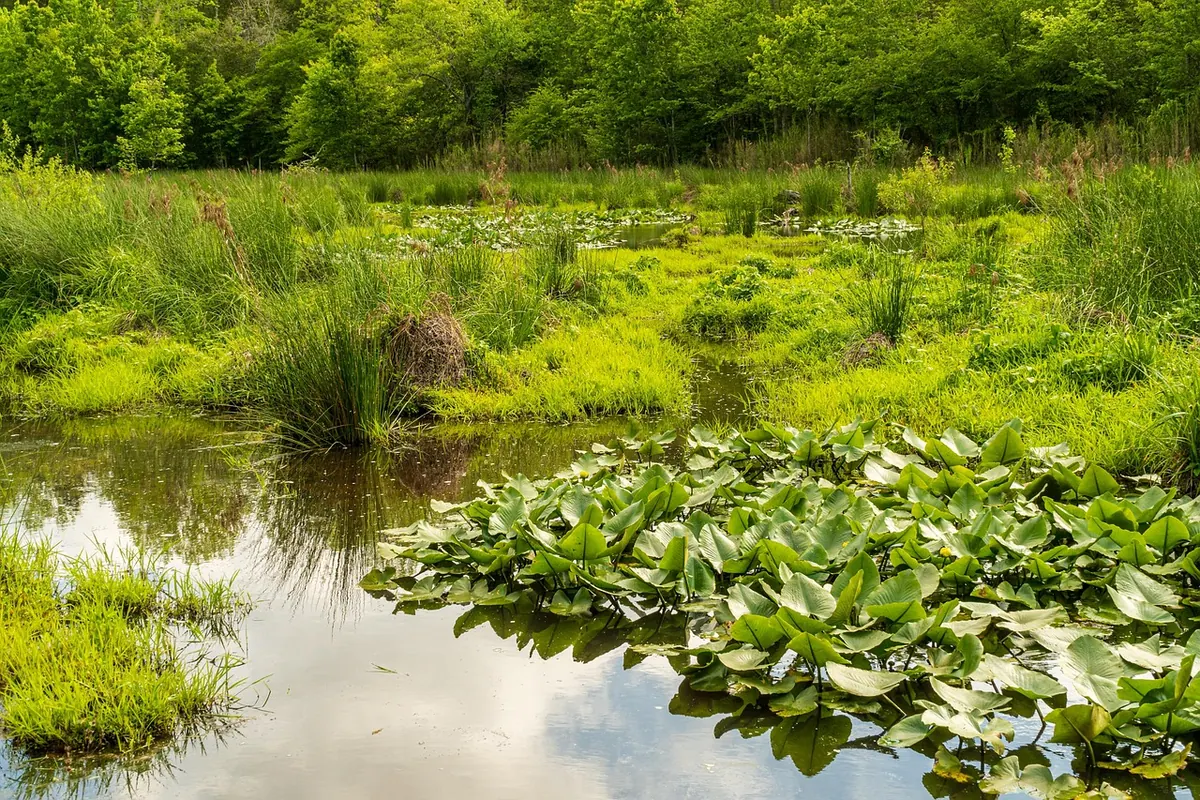
Wetland work parties are a strange kind of pleasure. You spend a morning standing in cold water dragging cut reed onto a bank, and by lunchtime a silting-up scrap of marsh has open water and light again. In between there is tea from a flask, a lot of mud, and usually someone who knows where the ditch is deeper than it looks. If you have been meaning to volunteer for wetland conservation in the UK, here is the practical side: where to look, what the day involves, what to put in the car, and how to stay safe near water.
Finding a wetland work party near you
Most wetland volunteering in the UK sits with a handful of organisations. County Wildlife Trusts run reserves and volunteer teams across the country, and their websites list practical tasks by site. The Wildfowl and Wetlands Trust and the RSPB both rely on volunteers at larger reserves, while the National Trust, rivers trusts and local councils look after many smaller wetlands, often through friends groups. The Conservation Volunteers runs weekday groups in many towns, which suits people with irregular free time.
Start with a site you already walk round. It is easier to care about a reedbed you know, and the warden can tell you what is coming up. If there is no volunteer page on the website, look for a notice board at the car park or a contact address in the site leaflet. One short email is enough.
It also helps to think about what kind of wetland you want to help. A lowland fen, a coastal saltmarsh, a gravel-pit reedbed and an urban pond all need different work. If you are unsure, try two or three groups before settling. Some volunteers become regulars at one reserve; others move around with the seasons, joining reed-cutting in winter and dragonfly surveys in summer.
What to ask before you commit
Ask when the next practical task is, and then:
- How physical is the day? Reed cutting and fence work are hard; litter picking and survey counts are gentler.
- Are tools, gloves and waders provided?
- How often does the group meet, and can I come occasionally rather than every week?
- Is training offered, for brushcutters or for wildlife surveys?
- Is there a toilet, somewhere to shelter, and parking on site?
- Do I need to be a member, or to sign anything?
It is also worth asking whether the group has a waiting list, whether under-18s need a parent or guardian, and whether there is a lift share from town. Small details — where to meet, what time you will finish, and who to call if you are running late — make the difference between a good first day and a stressful one.
What actually happens on a work party
Days follow a pattern. You meet at the car park or reserve entrance, usually mid-morning, and someone gives a briefing: the task, why it matters, where the boundaries are, and where the first aid kit and throw line live. Then you walk out — sometimes twenty minutes across wet ground — and get going.
Winter work is mostly cutting and clearing: reedbed management, scrub bashing willow and birch, opening ditches, and raking cuttings off fen so the nutrients leave with them. Spring and summer bring fence and boardwalk repairs, planting, litter and invasive species removal, plus surveys for breeding birds, dragonflies, water voles and amphibians.
Expect to work in pairs or small teams, with a break for food and an afternoon finish. Do not expect much wildlife while you are crashing about with loppers; the best sightings come on the walk in, on the tea break, or in the last quiet minutes when the marsh harrier drifts over to see what you have done.
Different wetlands call for different tasks. On a lowland fen, you might spend the morning cutting reed and raking it onto tarpaulins, then dragging the tarpaulins to the edge so nutrients are removed. On a coastal reserve, you could be repairing a sluice, clearing a footpath or building a new scrape for wading birds. In an urban wetland, the work may be smaller but just as valuable: pulling Himalayan balsam before it seeds, clearing a blocked culvert, or planting reeds along a new pond edge. The common thread is that someone has planned the job with wildlife in mind, and your effort is part of a long-term management plan.
“The best days are when you can see why you did it,” one long-standing volunteer told me. “You clear a channel in October, and by March the water voles are using it.”
Kit to bring on the day
Resist buying anything before your first session. Most groups supply tools, gloves and often waders. What you need is protection from wet and cold, because standing still in a wind off open water is what makes people miserable, not the work itself.
- Wellington boots with a good tread — not just for mud, but for slippery boardwalks and wet grass.
- Waterproof jacket and waterproof trousers, even if the forecast is dry.
- Layers: a thermal base, a fleece, and a windproof outer layer. Avoid cotton next to the skin.
- Warm hat, gloves and a spare pair of gloves. Wet gloves end more mornings than cold does.
- A flask, water bottle and a decent lunch. Work parties often run on tea and biscuits, but not always.
- A change of clothes and a plastic bag for muddy boots in the car.
- Sunscreen and a sun hat in summer; insect repellent for damp woodland and fen edges.
- Any personal medication, plus a note of emergency contacts if you are new to the group.
- Your own gloves if you have a favourite pair, and a small backpack you can carry while working.
Waders are sometimes available, but they are not always the right choice. If the site is deep silt, wellingtons can be safer because you can step out of them if you go in over the top. Ask the leader what the ground is like before you decide.
Staying safe around water and tools
Wetland volunteering is not dangerous if you follow the briefing, but water, mud and sharp tools deserve respect. The leader should point out deep water, soft edges, steep banks and any areas to avoid. Never work alone near water, especially in winter when cold shock can make even shallow water serious. If you cannot swim, say so — it is useful information, not a disqualification. Most groups have throw lines and first aid kits, and someone on the team may be trained in first aid.
Tool safety is mostly common sense. Carry loppers and saws with the blade down or closed, keep a tool-length apart from the person next to you, and never cut above head height without being shown how. Brushcutters and chainsaws are for trained volunteers only. If you are unsure, ask. A five-minute demonstration is better than a cut finger or a strained back.
Also watch for ticks, which are common in tall vegetation and can carry Lyme disease. Wear long trousers tucked into socks where possible, check yourself after the day, and remove any tick promptly with fine-tipped tweezers. Add a tick check to your evening routine after spring and summer tasks.
Less physical ways to help
Not every useful volunteer can dig, cut or carry. Wetland conservation needs people on reception, in the café, driving minibuses, writing newsletters, taking photographs, counting visitors, entering survey data, or bringing cake. If you have limited mobility or energy, ask what can be done from a bench, a hide or a computer. Many reserves have accessible paths and viewing areas, and survey work like counting waterfowl from a hide can be done sitting down.
If you are nervous about your first work party, offer to come along as an extra pair of hands for half a day. You can leave early if you need to. Groups would rather have you for two hours than not at all.
A first-day checklist
Before you set off, run through this:
- Confirm the meeting time and place, and save the leader’s phone number.
- Check the weather and dress for the worst hour, not the best.
- Put a full change of clothes, a towel and a bin bag in the car.
- Bring water, lunch, any medication and a sense of humour.
- Tell someone where you are going and when you expect to be back.
- Ask for a task that matches your energy, and speak up if you need a break.
After the day
The work does not end when you hand back your tools. If you enjoyed it, tell the leader. If you did not, say what would have helped — a clearer briefing, an easier task, a shorter walk, a different meeting point. Volunteer coordinators rely on feedback, and small adjustments keep people coming back. You might also sign up for a survey training day, join a rota for nest boxes, or sponsor a reedbed. And if you only ever do one muddy morning a year, that is still one morning more than the wetland would have had without you.
Photo: 16081684 / Pixabay