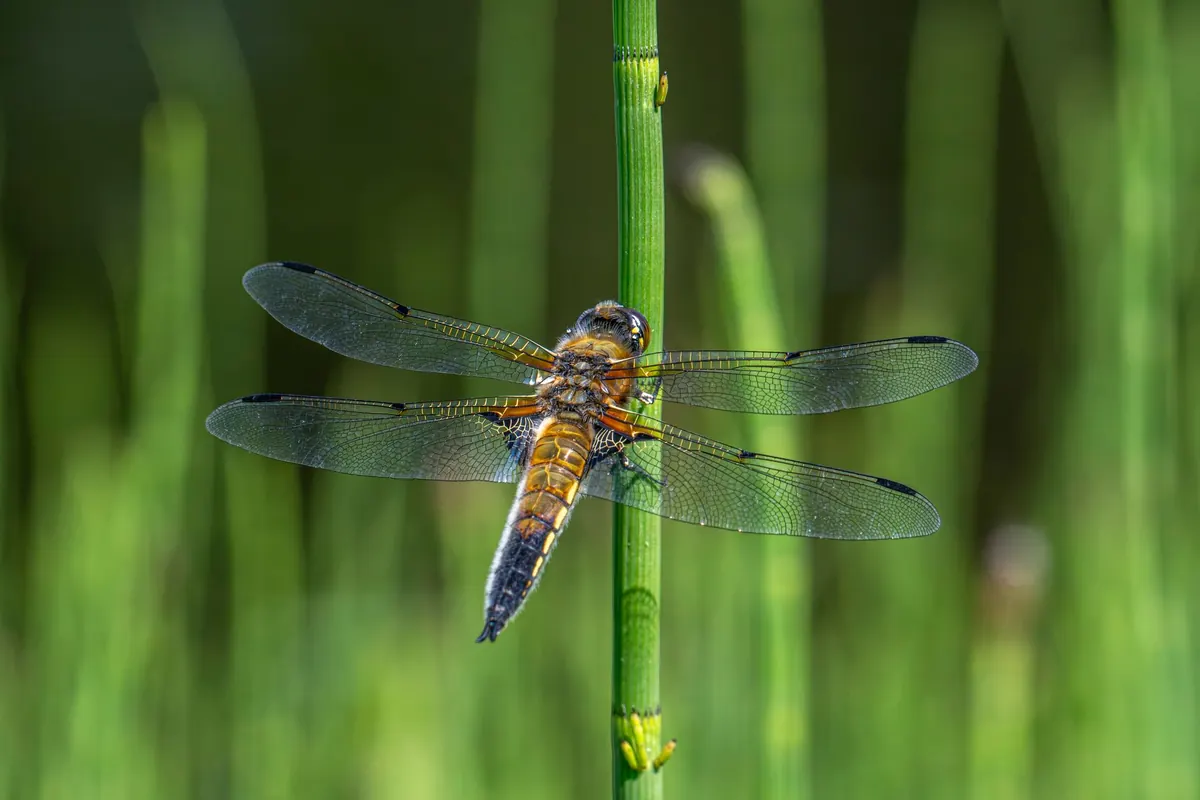
A practical introduction to British dragonflies and damselflies — how to tell the two groups apart at a pond edge, what to watch for, and which species to learn first.
Continue reading
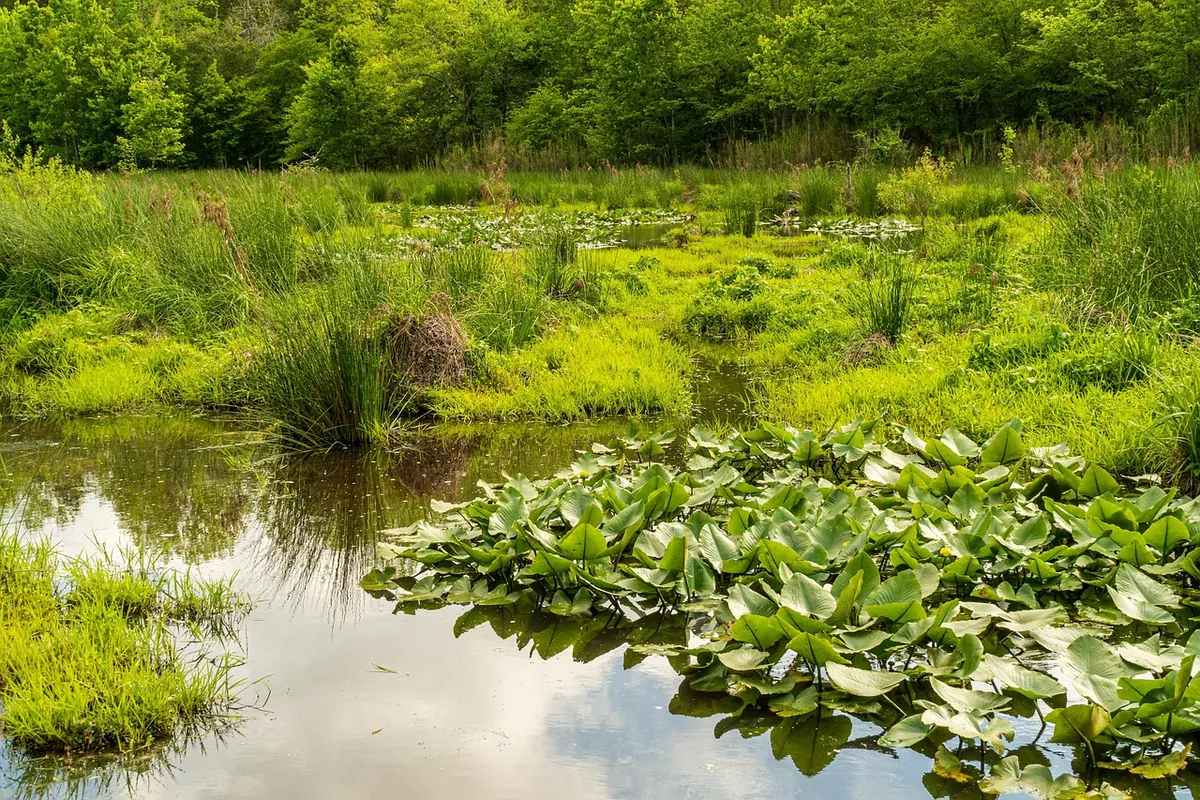
An explainer on what British wetlands actually do for us — storing floodwater, locking up carbon, cleaning rivers and supporting wildlife — plus practical ways to help.
Continue reading
A month-by-month guide to peak autumn wader passage on UK wetlands, from July greenshank on freshwater scrapes to October knot roosts on spring tides, plus weather, reserve types and fieldcraft.
Continue reading
How to get close to wetland birds, insects and amphibians without changing their behaviour, from fieldcraft and lens choices to hides and honest editing.
Continue reading
Sedges, grasses and rushes blur together for most beginners, but a handful of consistent habits of looking will clear up the commonest wetland plant mix-ups.
Continue reading
From early chiffchaffs to booming bitterns and black terns, a printable spring checklist for UK marshes and reservoirs, with field marks and expected dates.
Continue reading
Reedbeds and fens look alike but differ in water chemistry, soil and plants. Here is how to tell them apart on a field visit, from peat to bitterns.
Continue reading