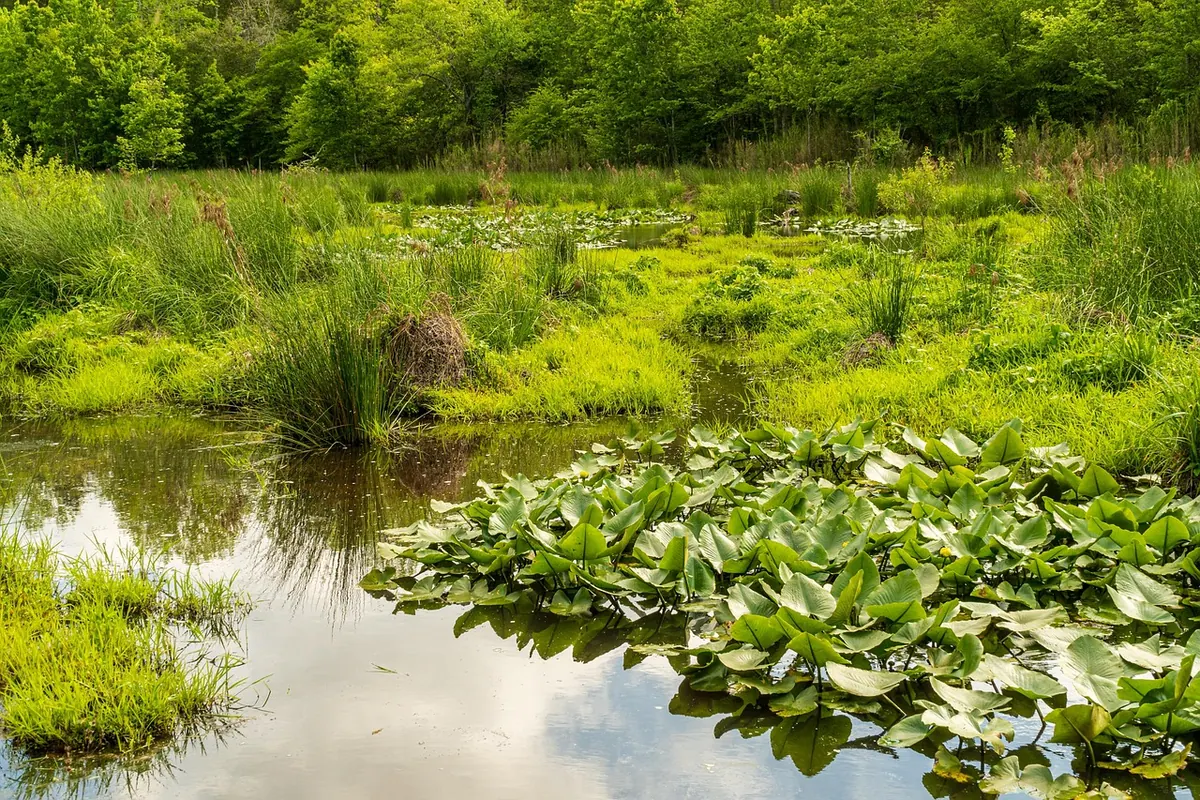
Spring Wetland Bird Checklist for UK Marshes and Reservoirs
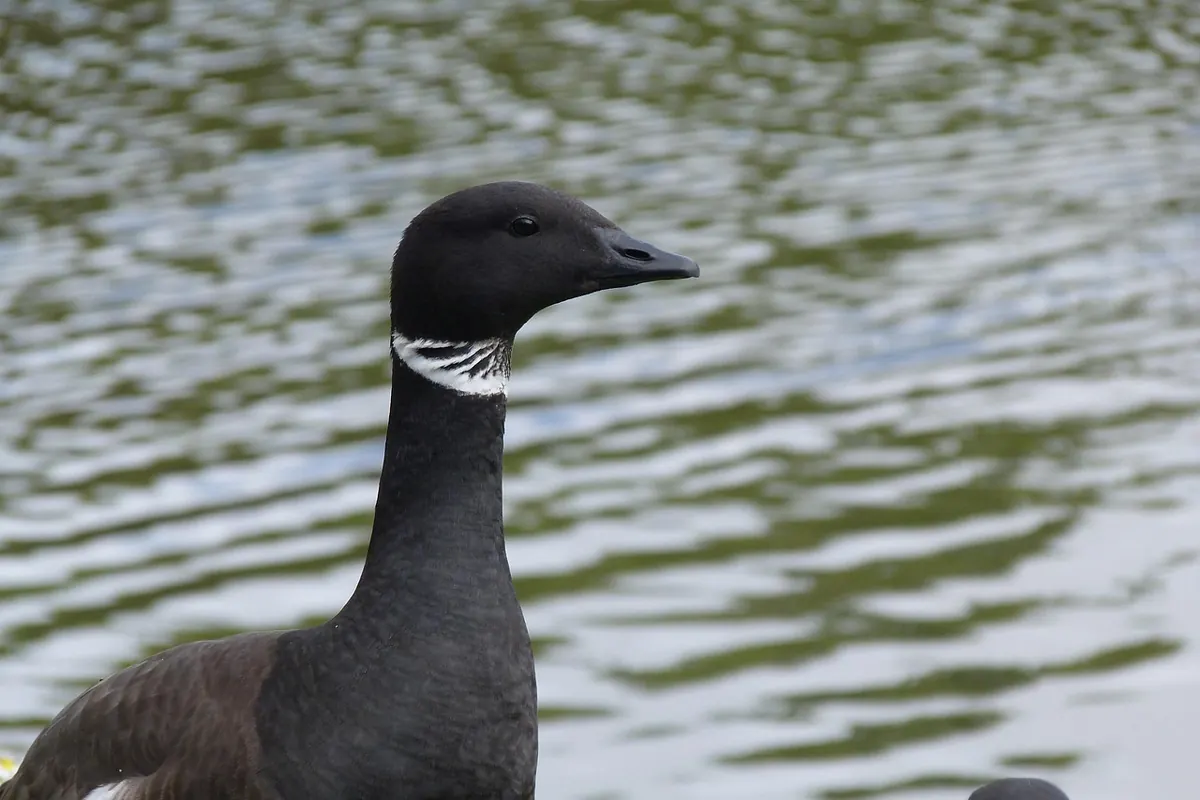
The best spring days on a marsh are rarely the ones with the longest list. They are the ones where you notice something has shifted. A reedbed that was silent a fortnight ago is suddenly full of scratchy song. The wigeon flocks that grazed the wet meadows in February have gone, and the shoreline is scattered with small waders instead. This checklist is built around those changes: what to look for, roughly when to expect it, and the field marks that sort out the awkward pairs. Print it, take it, and write on it.
How Spring Arrives on a Wetland
Spring does not move at one speed. A coastal reedbed in the south-west can be a fortnight ahead of a moorland reservoir in the north, and a cold easterly in late April can shove everything back a week. Treat the dates below as windows, not appointments.
Tide, wind and water level decide as much as temperature. Falling reservoir levels expose the muddy margins that waders need; a rising level pushes them off again. On grazing marshes, spring rain fills the ditches and the splashy fields, which is exactly what dabbling ducks and passage waders want. Check the forecast the night before and pick the day after a warm southerly with cloud and light rain. That is when birds drop in.
February to Mid-March: The Holdovers
Winter is not finished with the marsh yet. Wigeon still whistle from the wet grass, teal dabble along the ditch edges, and pintail, shoveler and gadwall sit on the open water. On reservoirs, look for goldeneye, goosander and, in the coldest snaps, smew.
This is also the window for the birds that are easy to overlook:
- Common snipe in soft, rushy corners — it sits tight and flushes late, jinking away with a rasping call.
- Jack snipe nearby, usually in wetter, more open patches, bobbing almost constantly as it feeds.
- Water rail squealing from deep cover; a quiet ten minutes at a reed edge often pays better than walking.
- Bittern booming from late February — low, ventriloquial and best at dawn.
- Great crested grebes beginning their weed dance, facing off and shaking their heads.
By mid-March the first summer visitors show up. Chiffchaffs sing their two-note seesaw from the willows, sand martins flick low over open water, and little ringed plovers appear on gravel shores. Ospreys begin to move through, often following a big water body north.
Late March to Mid-April: The First Wave
Now the marsh fills up. Swallows and house martins hunt over the water, willow warblers sing from birch scrub, and blackcaps start their sharp tick from the hedges. Sedge warblers arrive around mid-April, usually a week ahead of reed warblers, and they are not shy — expect a scratchy, fast song delivered from a willow top.
On the water and along the shore, watch for:
- Garganey, often in pairs on shallow, weedy pools; the male's white eyebrow stripe is obvious in a telescope.
- Common terns, back on rafts and islands by early April.
- Little gulls, particularly after an easterly, feeding daintily over the surface.
- Dunlin, ringed plover, redshank, greenshank and common sandpiper on exposed margins — check the same bay twice, as turnover is quick.
- Yellow and white wagtails picking along the mud.
Wheatear move through on the drier, stony bunds, and the first whinchats follow in the last days of the month. Keep an eye on any bare field edges beside the reserve; passage birds often feed there before moving on.
Late April to Mid-May: Peak Passage
This is the busiest fortnight of the wetland year. Swifts scream overhead, hobbies hunt dragonflies over the reedbed, and black terns drop in on reservoirs and gravel pits, hawking low and buoyant with dark underwings. They often vanish by the following morning, so go early if the weather looks right.
Wader variety peaks now: whimbrel, black-tailed godwit, wood sandpiper and little stint, with the occasional rarer stint or phalarope at a well-watched site. Reed and garden warblers are both singing by the first week of May, and grasshopper warblers reel from tangled scrub — far easier to hear than see, so listen for the insect-like whirr and wait.
Spotted flycatchers and, at the coast, the last of the common migrants trickle through into the third week. After that, it quietens down.
Late May to June: Settled Breeders
By June the marsh belongs to its residents. Reed buntings and bearded tits move through the phragmites, marsh harriers carry prey to nests deep in the reeds, and Cetti's warblers explode into song where they have established themselves, mostly in the milder south. Coot, moorhen, little grebe, pochard and tufted duck all have broods now, so watch for food-carrying adults and family parties on the open water.
Two things are worth doing at this point in the season. First, count broods rather than adults — broods tell you how the year is going. Second, resist the urge to push into the reeds for a better view. Nests and young are extremely vulnerable to disturbance throughout spring.
Field Marks That Do the Work
Most confusion on a spring marsh comes down to a handful of pairs. Learn these and your notes will be far more useful.
- Chiffchaff vs willow warbler: song first, always. Chiffchaff has darker legs and a short primary projection; willow warbler looks paler and longer-winged.
- Common tern vs Arctic tern: common tern has a longer red bill with a black tip and noticeably longer legs; Arctic tern has a shorter, all-red bill and short legs.
- Common tern vs black tern: black tern is much smaller with a short tail, buoyant flight and dark grey underwings.
- Sedge warbler vs reed warbler: sedge is streaky above with a strong pale supercilium and usually sits low in willows; reed warbler is plain brown, longer-billed and stays in the reeds.
- Goldeneye vs tufted duck: male goldeneye is black and white with a round white cheek patch; male tufted duck is black with white flanks and a dangling tuft.
- Dunlin vs little stint: dunlin is larger with a longer, slightly down-curved bill; little stint is tiny with a short, straight bill and pale braces on the back.
Making the Checklist Work for You
Print it double-sided and keep one sheet per visit. Write down the date, wind direction, cloud cover and water level before you start — those four notes will explain more of your sightings than any tally. Count what you can count properly and estimate large flocks in tens or hundreds rather than pretending to be exact.
Go early. The first two hours after dawn give you singing males, settled wildfowl and whatever has arrived overnight. On your way round, stay on paths and hides, keep dogs on leads near nesting areas, and never approach a nest or a roost for a photograph. Spring disturbance is the single biggest thing a well-meaning birder can get wrong.
Finally, send your records to your county bird recorder or a national recording scheme. Half a dozen visits to one marsh, repeated each spring, are genuinely more valuable than a long list from a dozen different places. The checklists add up.
Photo: Meatle / Pixabay