Autumn Migration on UK Wetlands: Where and When to See Wading Birds
The autumn wader season does not begin in September. It starts in late June, when adult females and failed breeders slip away from their breeding grounds, builds through July, and peaks between late August and October. Only when inland waters freeze does it fade, as the remaining birds fall back on the estuaries for winter. For anyone with a scope and a pair of wellingtons, these are the richest months of the year. The trick is knowing which weeks suit which birds, and which kind of wetland they will be using.
Why autumn starts so early
Waders run on a tight schedule. Arctic and subarctic summers are short, and a bird that has lost its clutch has nothing to gain by staying. Curlews that nest on northern moorland turn up on estuaries by late June, often still in worn breeding plumage. Icelandic black-tailed godwits reach the Wash, the Humber and the Dee from early July, where many moult before pushing further south or west. Whimbrels — smaller, neater curlews with a striped crown — pass through in July and August, feeding on rocky shores and saltmarsh edges as readily as on mud.
The heavy flocks come later. Dunlin, knot, grey plover and bar-tailed godwit build through September and October as birds flood south and west out of the Arctic. So autumn is really two seasons overlapping: an early, scattered one, then a concentrated one.
Peak weeks, month by month
Mid-July to mid-August
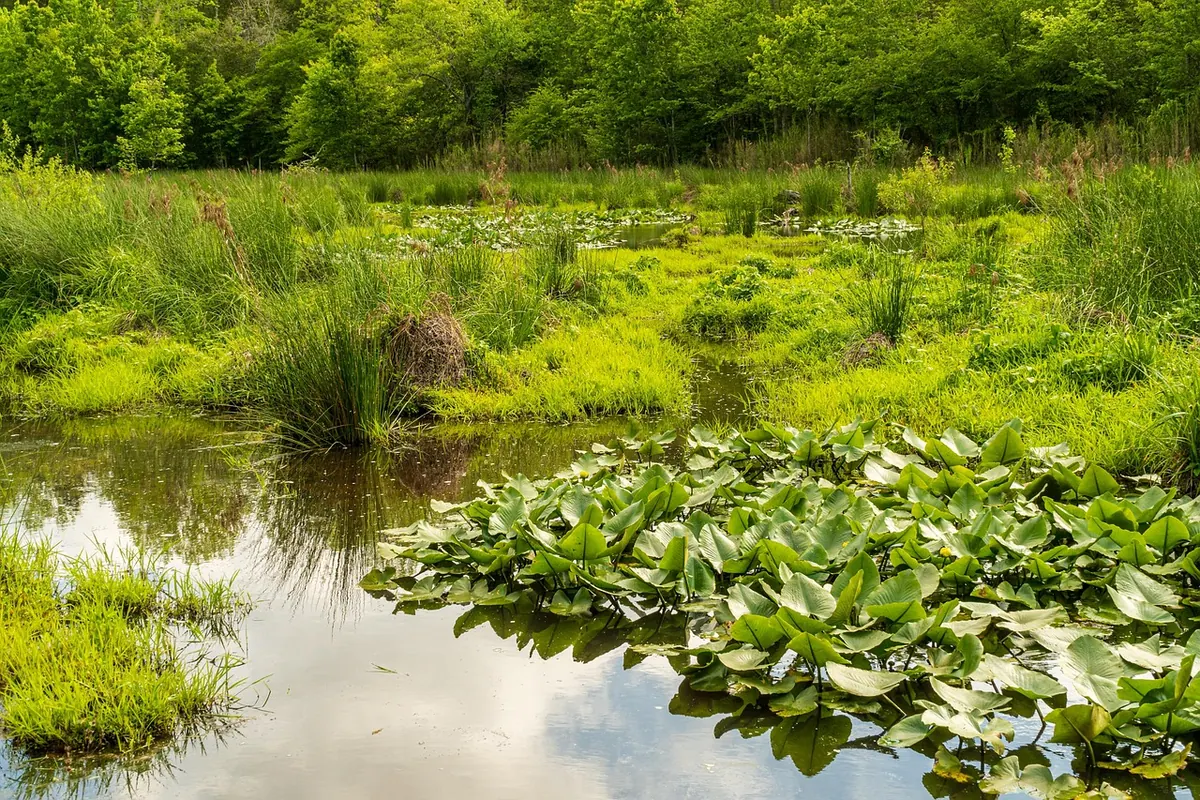
Freshwater reserves come into their own now. As levels drop, scrapes expose muddy edges, and that is where the birds are: green sandpiper, wood sandpiper, greenshank, ruff, and the first spotted redshanks in their sooty summer dress. Look for shallow pools and bare mud with tussocky grass nearby, not open deep water. Early mornings are best; many of these birds are shy and feed close to cover.
Late August to late September
The best all-round window of the year. Estuaries fill with curlew, black-tailed godwit and the first big dunlin arrivals. On the east coast, easterly airstreams can drop something unusual onto coastal scrapes and wet fields — a pectoral sandpiper, a buff-breasted sandpiper, a red-necked phalarope spinning on a lagoon. Check every small, pale wader twice.
October to mid-November
Peak numbers of knot, dunlin, bar-tailed godwit and grey plover on the larger estuaries. Golden plover and lapwing move onto coastal grazing marsh and wet grassland. This is the time of big high-tide roosts: on spring tides, birds that have been scattered across distant mud are pushed into tight, noisy flocks close to the shore, where you can finally watch them properly.
Weather: the days worth clearing your diary for
Weather shapes autumn passage more than any other factor, and a little forecasting goes a long way.
- Falling pressure with strong westerlies in late summer and early autumn often brings Nearctic waders to western and south-western coasts.
- Easterly winds in September and October are the classic conditions for drift migrants from Scandinavia and Siberia.
- Rain and low cloud over the continent will ground birds inland, sometimes on reservoirs, gravel pits and flooded fields well away from the coast.
- A day or two after a front passes is often when freshwater sites hold new arrivals.
- Spring tides concentrate roosts, while clear, calm high-pressure days usually keep birds moving and produce fewer of them.
Reserve types that concentrate waders
Estuarine mudflats and high-tide roosts
Big estuaries with extensive mud, saltmarsh and an undisturbed upper shore hold the largest numbers. The value of a site often lies in its roost rather than its feeding ground: a quiet spit, an island or a field behind the sea wall where hundreds of birds wait out the tide.
Freshwater scrapes and shallow lagoons
Managed reserves with sluices, islands and muddy margins are unbeatable in late summer. Water levels moved down through August will pull birds in. A scrape that looks perfect on Monday may be too full by Friday, so check recent sightings before travelling.
Coastal grazing marsh and wet grassland
Rougher, damper grassland suits curlew, golden plover, ruff and snipe. Ditches, damp hollows and poached gateways all attract feeding birds, and these sites often stay productive when the estuary itself is busy with people.
Fieldcraft: getting close without doing harm
Autumn waders are hungry and tired. Every flush costs energy they need for the journey ahead, and repeated disturbance can push birds off a site altogether. Arrive before the tide, settle into a hide or a screened position, and stay put; a stationary observer sees far more than one walking the sea wall. Keep dogs on leads and well away from roosts and feeding flocks. Take a scope if you can, and use it on distant birds rather than walking closer. Learn the tide times for your local estuary — at low water even the best hide can face nothing but empty mud.
Planning your first autumn visit
Start with tides and weather, then pick a site to suit the birds you want to see.
- Check tide tables and aim for the two hours either side of high water at estuarine reserves.
- Watch the forecast: an easterly in September or a westerly gale in August is a reason to go, not to stay at home.
- At freshwater reserves, visit after rain and look for falling water levels on the scrapes.
- Take wellingtons, waterproofs, a scope and a notebook. Note what you see, and where the water was.
- Return to the same site at the same state of tide a week later. Patterns repeat, and your second visit will be far better than your first.
Autumn rewards patience more than luck. Pick one estuary and one freshwater scrape, visit them properly through the season, and you will learn more about wader migration than from any number of scattered trips.
Photo: eneacsu13 / Pixabay