Why Wetlands Matter: UK Ecosystem Services Explained Simply
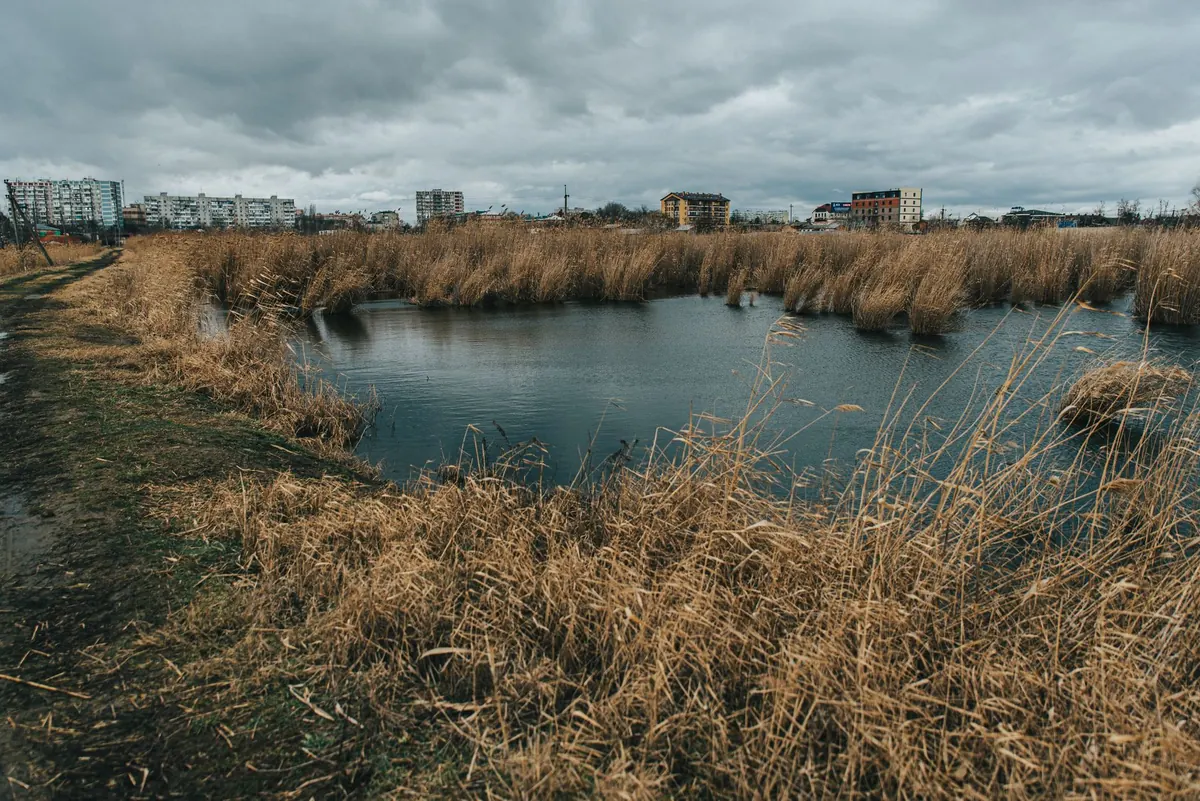
Stand at the edge of a reedbed on a still morning and it looks like nothing is happening. That is the trick. Below the surface, a wetland is working: holding water back, filtering it, keeping carbon out of the atmosphere and feeding more life per square metre than almost anywhere else in Britain.
Ecosystem services is the jargon term for all of this — the things nature does for us that we would otherwise have to pay for, or learn to live without. We have drained, built on and straightened away most of our wetlands over the centuries. What survives is disproportionately valuable, and often unglamorous: a bog, a ditch, a soggy field beside a river.
Flood storage: the landscape's sponge
A floodplain meadow in winter is not wasted land. It is a reservoir with no dam, no concrete and no maintenance bill. When a river spills its banks, water spreads across the marsh and slows down. It is released over hours or days rather than all at once, which lowers the peak of the flood downstream.
The Ouse Washes between Cambridgeshire and Norfolk are a working example: a long strip of wet grassland deliberately engineered, back in the seventeenth century, to take floodwater off the Great Ouse. It still does that job, and it is also one of the finest places in Britain to see wintering wildfowl.
Upland peat bogs matter just as much, in a quieter way. A healthy bog is a wet, mossy sponge that holds rainfall and lets it trickle out slowly. A bog that has been drained and burned by decades of management sheds water fast, sending it straight down to the towns below. That is why so much restoration work in the Pennines and the Flow Country focuses on simply getting the water back into the peat — blocking old drainage grips, removing trees, and letting the sphagnum do the rest.
Beavers have made the same point on the River Otter in Devon, where their dams and pools have created small wetlands that hold water and release it gradually. Wetlands do not stop flooding. They take the sharpest edge off it, which is often what saves a village.
Carbon: the slow, stubborn store
Peat is the UK's biggest terrestrial carbon store. It builds up at roughly a millimetre a year, layer on layer of partly rotted moss and plant matter that never fully breaks down because the ground is waterlogged and short of oxygen. Left alone, a bog keeps carbon locked away for thousands of years.
Drain it, and the process reverses. Air gets in, the peat oxidises, and carbon that took millennia to accumulate leaks away in decades. Restoring a bog — rewetting it, raising the water table, encouraging sphagnum moss — is one of the more straightforward climate measures available in this country, and it comes with wildlife attached.
Coastal wetlands do a similar job in the intertidal zone. Saltmarsh vegetation traps sediment, and the mud beneath it stores carbon while also absorbing wave energy. Sites such as Wallasea Island in Essex, built up with material excavated from tunnelling under London, show how new saltmarsh and mudflat can be created deliberately rather than lost by accident.
Water quality: settling out what we don't want
Water arriving at a wetland is usually carrying something — silt, nitrate and phosphate from farmland, road runoff, the fine sediment that clouds a river and smothers gravel beds where fish spawn.
As water slows and spreads through reeds, rushes and wet grass, much of that load drops out. Plants and the microbial communities around their roots take up nutrients. Reedbeds are used in this way as a final treatment stage at some sewage works, where water is polished before it reaches a river. They are not a substitute for reducing pollution at source, but they are a cheap and self-repairing last line of defence.
Biodiversity: the busiest places in Britain
Wetlands are structurally complicated in the best way: open water, shallow margins, tall reeds, wet woodland, tussocky grass. Each band suits different species, which is why a good marsh can hold dozens of breeding birds within a few hectares.
The bittern is the classic British success story. Down to a handful of booming males in the 1990s, it has recovered as reedbeds have been created and managed at places such as RSPB Minsmere in Suffolk and the WWT reserves on the Severn. That recovery happened because people dug ponds, cut reeds on rotation and controlled water levels, season after season.
What a healthy marsh holds
- Birds: bittern, marsh harrier, lapwing, snipe, redshank, avocet, and vast winter flocks of wigeon, teal and Bewick's swans.
- Insects: dragonflies and damselflies, the swallowtail butterfly of the Norfolk Broads, and clouds of midges that feed everything above them.
- Mammals: water voles, otters, and bats hunting over open water at dusk.
- Plants: sphagnum mosses, ragged-robin, marsh marigold, and the reeds themselves, which are harvested for thatching in Somerset and Norfolk.
- Fish and amphibians: pike, rudd and eels in the ditches; great crested newts and common frogs in the shallow pools.
Wetlands worth visiting
The fastest way to understand any of this is to stand in it. A few suggestions, spread across the country:
- WWT Slimbridge, Gloucestershire — Severn estuary wildfowl, and a good place to see how water levels are managed for birds.
- RSPB Minsmere, Suffolk — reedbed, scrape and heath in one walk, with bittern and marsh harrier.
- The Norfolk Broads — fen, carr and open water, with swallowtail butterflies in early summer.
- The Flow Country, Caithness and Sutherland — the largest expanse of blanket bog in Europe, best seen from a quiet track.
- Wallasea Island, Essex — new saltmarsh and mudflat, with huge winter gatherings of waders and wildfowl.
- The Ouse Washes — floodplain grazing marsh that doubles as a flood defence, crowded with ducks and swans in winter.
What you can do
Wetlands survive because people argue for them. Planning decisions, agricultural payments and water company investment all shape what happens to a marsh, and these are not remote matters — they come up at council meetings near you.
- Go and look. Visit a reserve, pay the entry fee or join as a member, and buy something from the café. Visitor numbers are evidence that a place matters.
- Keep peat out of your garden. Ask for peat-free compost at the garden centre and keep asking until it is the default rather than the speciality.
- Slow water where you live. A water butt, a rain garden, a pond no bigger than a bath, or simply not paving over the front garden — all of it reduces the surge that reaches the nearest river.
- Read the planning notices. Proposals to build on a floodplain, culvert a ditch or drain a wet field often pass with barely a comment. A well-argued objection from a resident carries weight.
- Record what you see. Send sightings to your county recorder or a national recording scheme. Species data is what turns a nice idea about protecting a marsh into a case that holds up.
None of this requires a laboratory or a grant. A wetland is a piece of land that has been allowed to stay wet, and it will start paying us back almost immediately.