Beginner's Guide to Wetland Wildlife Watching in the UK: Gear, Etiquette and First Steps
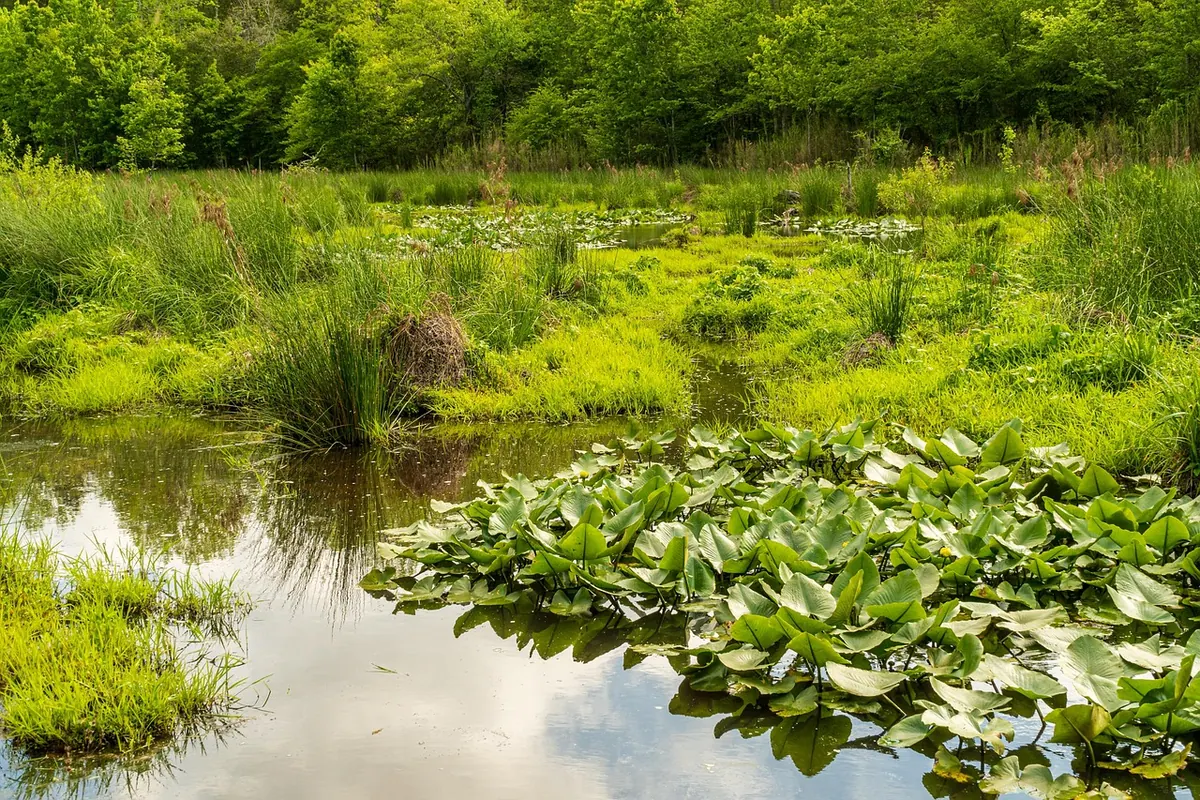
Wetlands reward patience more than they reward equipment. A reedbed that looks motionless from the car park can hold water voles, hunting marsh harriers and half a dozen dragonfly species within a hundred metres of the gate. The trick is arriving quietly, standing still often, and knowing roughly when the animals are likely to be active.
Start with a short, sensible kit list
You do not need a telescope, a long lens or a hide full of expensive gear. You need to stay dry, stay warm, and see a little further than your own eyes allow. Everything below fits in a daypack.
- Binoculars. Something around 8x42 is the standard choice for wetland birding: wide enough for flighty birds, bright enough at dawn and dusk.
- A waterproof jacket and overtrousers. Wetland weather changes quickly and reeds hold water long after rain stops.
- Wellies or comfortable walking boots. Boardwalks and grassy paths get slick. Wellies are also easier to hose down afterwards.
- A small torch or head torch for early starts and dusk walks back to the car park.
- Midgie repellent. Essential on reserves in Scotland and northern England from late spring onwards.
- A notebook and pencil. Jotting down the time, weather and what you saw will teach you more than any app.
- Water and a snack. A good session in a hide can eat two hours without you noticing.
- A spare bag for muddy boots or damp clothing on the way home.
Dress to disappear
Colour matters less than noise and movement, but it still helps. Neutral greens, browns and greys blend into reeds and scrub, while whites and bright blues catch the eye of anything watching. More importantly, avoid fabrics that rustle loudly every time you lift an arm. If your waterproof sounds like a crisp packet, a quiet fleece over the top will help.
Avoid strong scents too. Perfume, scented sun cream and aftershave carry further than you think, particularly downwind of a hide or a fox earth.
How to move without emptying the place
Most beginners walk too fast and stop too rarely. Try this instead: take three or four slow steps, then stop and scan with your eyes before lifting the binoculars. Listen at each stop. Reedbeds are noisy places once you slow down, and the sound of a water rail or a squealing water vole often gives away more than your eyes will.
A few habits that make a real difference:
- Approach upwind. Mammals rely heavily on scent, so walk into the breeze rather than letting it carry your smell ahead of you.
- Keep the sun behind you. You will see more colour and detail, and you are less likely to be silhouetted against the light.
- Stay off the skyline. On a riverbank or sea wall, crouch slightly or use vegetation as a screen.
- Keep your voice low and let hide doors close gently rather than banging them.
- Sit still for twenty minutes. Wetland animals often resume normal behaviour shortly after a quiet human settles down.
Best times of day, and the weather that helps
Dawn and dusk are the reliable windows, but each group of animals has its own preferences.
Amphibians
Common frogs and toads are easiest to find in early spring, when they gather at shallow, sunlit edges to spawn. Frogs leave clumps of jelly; toads leave long strings. On mild, damp evenings from late winter you can hear males calling from ponds and ditches. Great crested newts and natterjack toads are legally protected, so watch from the path, never handle them and never net anything. Do not step into the water margins: you will destroy spawn and disturb the silt that so much wetland life depends on.
Mammals
Water voles are the classic wetland mammal. Look for burrows in steep banks, nibbled vegetation and a distinctive blunt-nosed animal that plops into the water. They are often mistaken for brown rats, which have pointed snouts, longer bare tails and swim with their bodies higher in the water. Otters are best looked for at first light, with spraints on flat stones under bridges as a clue they are around. Bats hunt over open water at dusk, and deer and foxes move across wet meadows early in the morning.
Insects
Dragonflies and damselflies need warmth and calm. A still, sunny morning from late spring into late summer is ideal, with boardwalk rails and dead reed stems acting as perches. Search reed stems for the empty husks of dragonfly nymphs in early summer, and check the shallows for whirligig beetles and water boatmen. Caddisflies and moths are worth a look after dark, when a torch and a white sheet can reveal a surprising amount.
Reserve etiquette that matters
Wetland reserves are working habitats, not parks. Stay on marked paths, keep dogs on a short lead where asked, and take all litter home, including fruit peel and fishing line. Drones are unwelcome on almost every reserve and disturb birds badly. Playing recorded birdsong to draw in a species is stressful for the birds and is usually banned. Resist feeding ducks and swans, which harms water quality and encourages rats. If you find an injured bird or an unusual sighting, tell the warden or log it in the visitor centre book rather than dealing with it yourself.
Ticks are common in damp grassland and reed margins. Cover your legs, check yourself after a walk, and if you become unwell in the days or weeks afterwards, speak to a doctor and mention the tick bite. Wash your hands after contact with open water.
Your first visit, step by step
- Check opening times and, on estuarine reserves, tide times before you set off.
- Call in at the visitor centre and ask what has been seen that week.
- Walk one short loop twice rather than a long loop once. Familiarity beats distance.
- Sit in a hide for at least twenty minutes without talking.
- Write down three things you saw and where you saw them.
- Look for a wildlife recording scheme or a county recorder to send your notes to.
Do that two or three times in a season and the wetland stops looking empty. You start noticing the small movements, the calls behind the reeds, and the way the same stretch of water changes from hour to hour.
Photo: balouriarajesh / Pixabay